
Thailand’s resale market: the deal, a non-refundable deposit and forged powers of attorney
On Thailand’s resale market the deposit is almost always non-refundable, settlement takes place at the land department, and one of the fees becomes known only there. The main risk is a sale under a forged power of attorney.
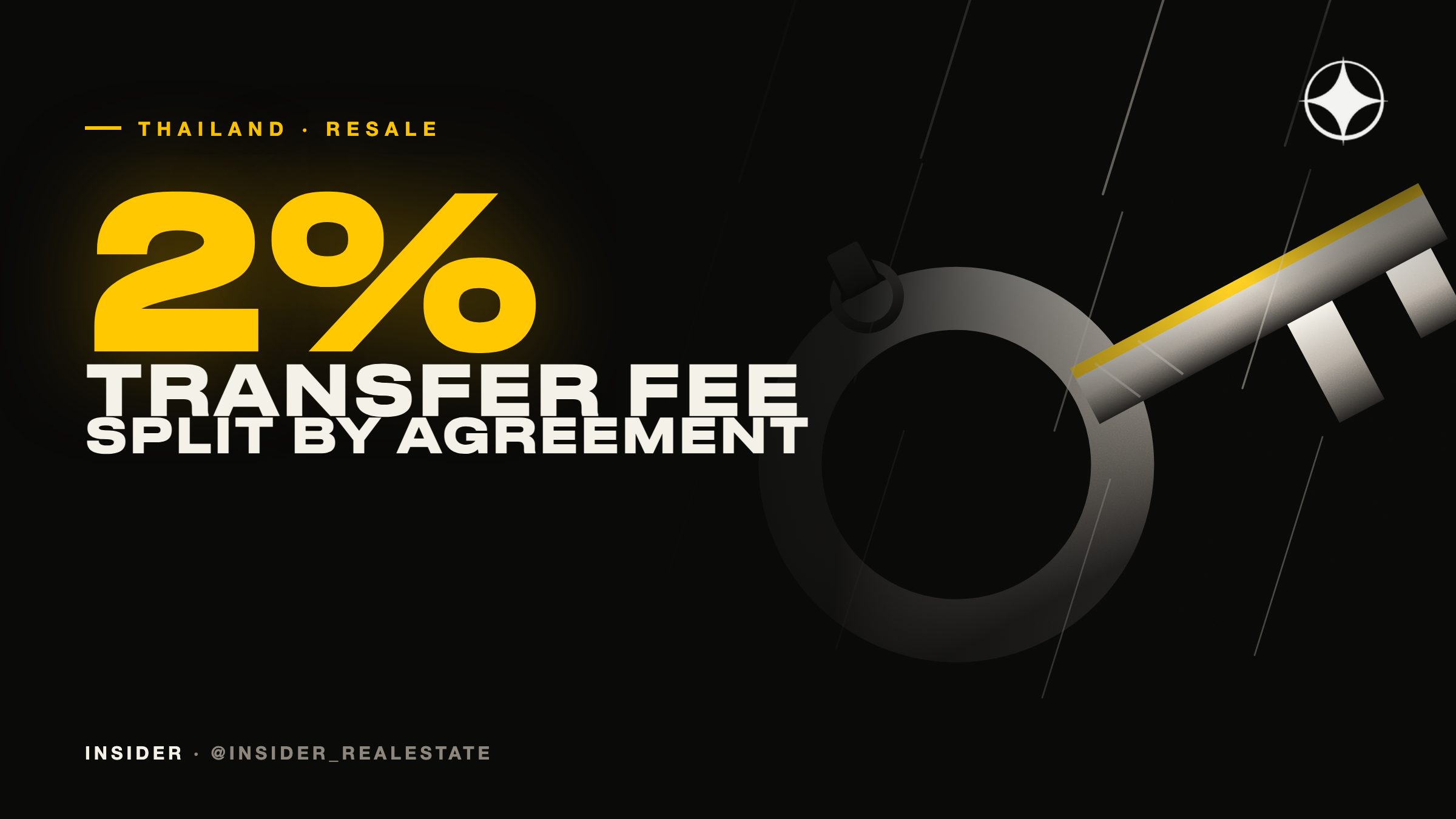
A deal for a completed unit in Thailand runs as follows: offer, deposit, document check, then settlement and registration at the land department within 1 day. On the resale market the deposit is almost always non-refundable. The main risk is a seller acting under a forged power of attorney, so contact the owner directly.
How does a resale deal work?
- an offer to the seller and agreement on price;
- the deposit;
- a check of the documents and the unit;
- preparing the papers for registration;
- final settlement — usually right at the land department.
The ownership document in the new owner's name is printed there too, on the day of the transaction.
Will the deposit be returned if the deal falls through?
On the resale market the deposit is non-refundable in almost every case. With a developer, by contrast, it is more often refundable.
Talk to a licensed broker: 📲 +971 50 120 32 64 on WhatsApp, @dubai_oleg on Telegram
The exception is document problems revealed by the check. But that condition has to be written into the deposit agreement: it does not apply by itself.
How much is paid on transfer of title?
The main fee is 2% of the transaction price. The law does not say who pays it: the parties usually pay 1% each, but a seller letting the unit go cheaply may shift the full 2% onto the buyer.
One more payment is calculated on the appraised value. The land department sets it, and the parties learn the exact amount only on the day of the transaction. Only the order of magnitude is known in advance.
How do you settle safely with the seller?
A practitioner with 12 years in Thailand named two methods he trusts: a banker's cheque, or settlement at the department itself at the moment of registration.
Between compatriots you come across arrangements involving bank safe-deposit boxes and settlement through a lawyer. The more complicated the arrangement, the more points at which the money and the title part ways in time.
Why are powers of attorney dangerous?
The most common frauds on the resale market involve powers of attorney: the unit is sold by a “representative”, and the power of attorney is forged. That is how one unit gets sold several times.
- the power of attorney must be notarised;
- the owner is asked to get in touch in person;
- the title deed is checked at the land department before any money changes hands.
A developer cannot sell the unit itself twice — double sales happen precisely through powers of attorney and contract assignments.
How long a sale takes
From 5 months to 2 years. Why it takes so long and where buyers are found is covered in our piece on the liquidity of Thai property.
Frequently asked questions
Is the deposit refundable when buying a resale unit in Thailand?
As a rule, no. It can be recovered only if the agreement contains a refund condition for document problems.
Where does final settlement take place?
Most often at the land department, on the day of registration. The ownership document in the buyer's name is printed there too.
How do you check the seller's power of attorney?
Make sure it is notarised and contact the owner themselves. The unit's title deed is checked at the land department.
Video on this topic
The same subject on the English channel — each clip has a written version of its own.
 1:38
1:38 Binghatti Hills at Arjan: the volume play, examined
Binghatti Hills is one of the largest residential projects in Arjan. What buying into a very large mid-market development actually means for rent, resale and service charge.
WatchIn the news
Other write-ups on the site about the same thing.

How to choose a developer and a broker in Thailand: a market where agents need no licence
Estate agency in Thailand is unlicensed: someone who arrived a year ago can sell flats. How to spot a broker who knows the market, and the four signs by which to vet a developer.

Inheritance in Thailand: 6 months to file a claim, and why you need a will in Thai
Heirs have 6 months to claim their rights to a unit in Thailand. If they do not, it passes to the state after about a year. A will in Thai reduces the process to a single court hearing.

Buying off-plan in Thailand: the deal step by step and a final payment made after inspection
Reservation, contract, stage payments, inspection and registration. The main difference from Dubai: the unit is inspected before the final payment, which reaches 40–50% of the price. The 2% registration fee is shared.

Title deeds in Thailand: why the ownership document takes from 3 months to 5 years
Until the building is handed over, a buyer in Thailand holds the unit only under a contract with the developer. The title deed is issued after handover — in 3–8 months, or up to 5 years if the documents are pledged to a bank.

Thailand has no escrow accounts: what happens if a developer goes bankrupt and how to check the land
There are no escrow accounts for off-plan purchases in Thailand. If a developer goes bankrupt, contractors and suppliers are paid first. Checking the land in the registry and avoiding pre-sales reduce the risk.

Nominee structures in Thailand: why a company fronted by Thai shareholders is a risk
A Thai company with local shareholders as a way to "buy land" is a common offer — and a direct breach of the Foreign Business Act. What happens under scrutiny, and which legal routes actually exist.